
A new opportunity for businesses to shape the future of Earl's Court.
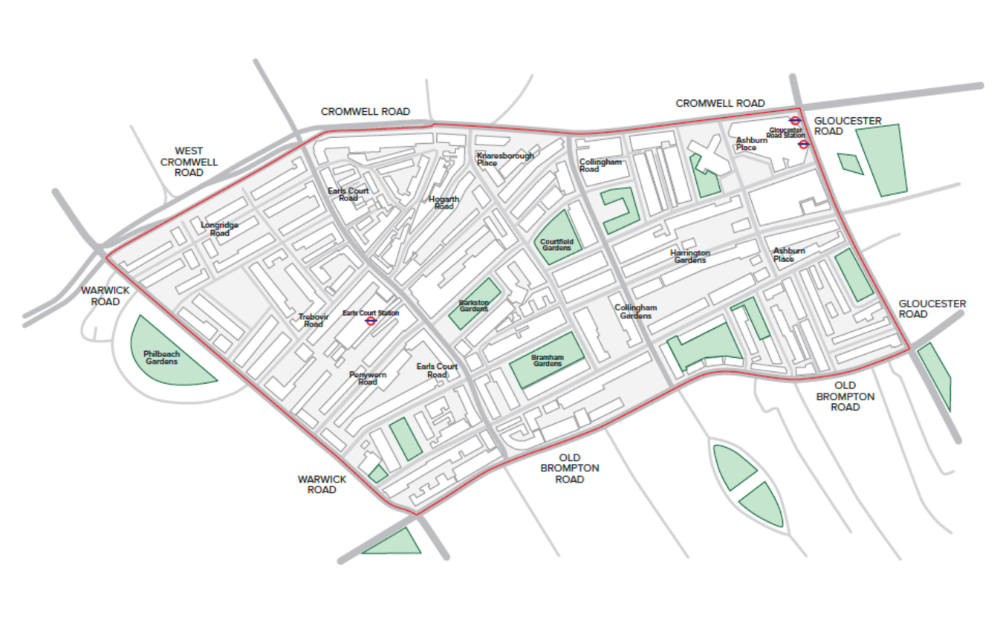
Study Area The 4 Phases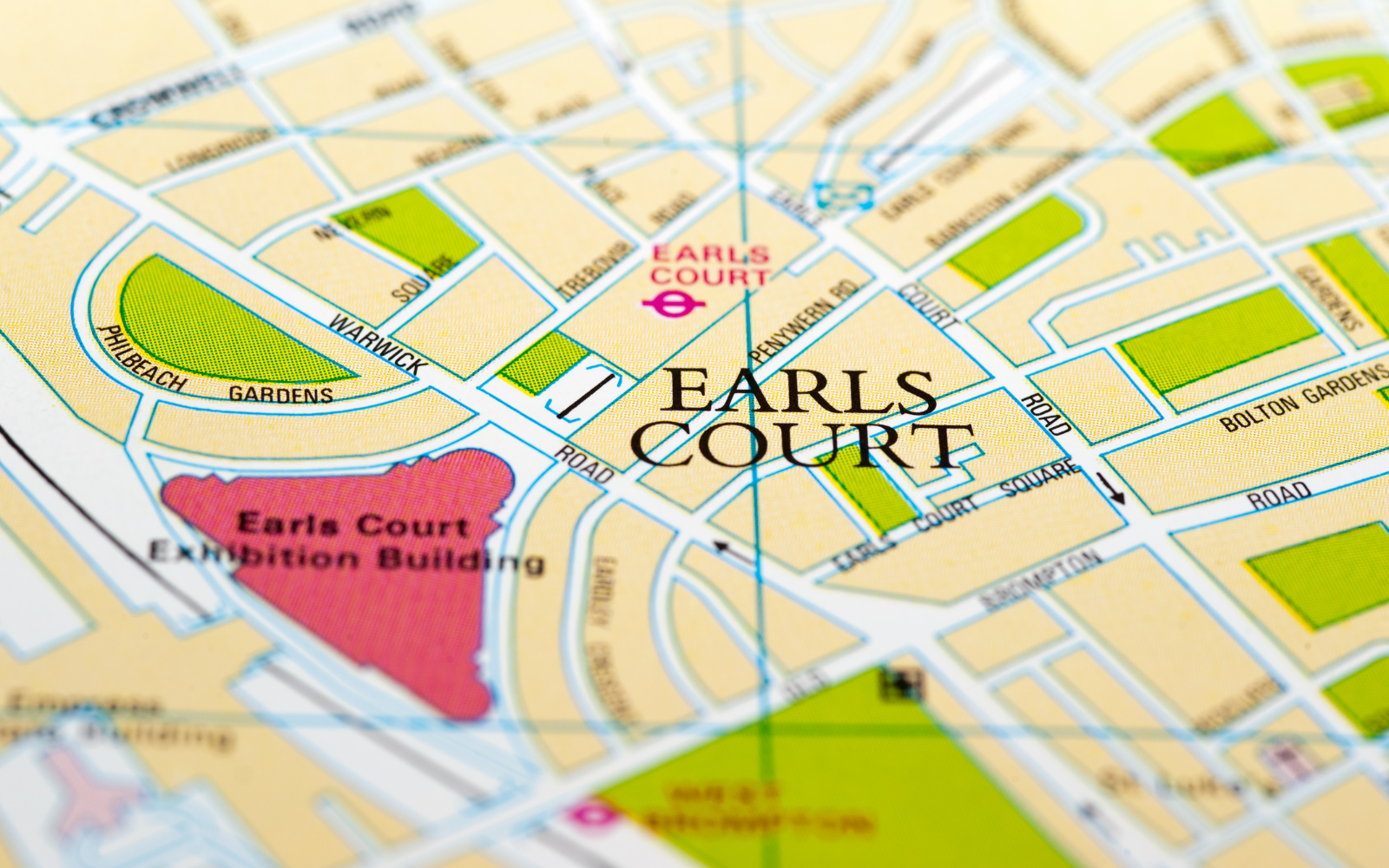
A Business Improvement District would give businesses and wider stakeholders:
Create a stronger collective voice for businesses, ensuring they can influence decisions and shape the future of Earls Court.
Deliver coordinated investment in safety, security, cleaning and public realm improvements that support better trading conditions.
Increase footfall and spending by promoting Earls Court as a distinctive destination for visitors, workers and residents.
Help local businesses benefit from the significant regeneration and investment taking place across the wider Earls Court area.
Protect and celebrate the area's unique character, independent businesses and cultural heritage through placemaking and events.
Generate sustainable, ring-fenced funding to deliver long-term improvements that individual businesses could not achieve alone.

Establish Steering Group, confirm governance structures, adopt Project Delivery Plan, set up CRM, liaise with Council. Define BID boundary, levy structure, and operating rules; analyse business composition and rateable values; model levy scenarios.
Surveys to ratepayers; one-to-one interviews; stakeholder engagement; produce needs analysis and priority themes. Review engagement findings; confirm BID themes, boundary, levy structure, and financial model. Test draft themes with businesses; refine priorities and KPIs.
Develop full draft Proposal with workstreams, KPIs, governance, financials, baseline/operating agreements, consultation summary, district profile. Implement communications plan: microsite, newsletters, printed materials, stakeholder meetings, demonstration projects; raise awareness.
Complete statutory requirements: verify Voter List, issue Notice of Ballot, finalise agreements, distribute final Proposal. Deliver ballot campaign: visits, personalised support, telephone follow-up, CRM tracking, reporting; announce results.
Establish Steering Group, confirm governance structures, adopt Project Delivery Plan, set up CRM, liaise with Council. Define BID boundary, levy structure, and operating rules; analyse business composition and rateable values; model levy scenarios.
| Task | Timescale |
|---|---|
| Establish Steering Group (project champions) | June 2026 |
| Early discussion with Council - geographic area and BID rules | June – July 2026 |
| Production of consultation document / micro-site | July 2026 |
| Initial stakeholder engagement | July - August 2026 |
| Business engagement programme (stage 1) | July - August 2026 |
| Early draft of business priorities and objectives | August 2026 |
Surveys to ratepayers; one-to-one interviews; stakeholder engagement; produce needs analysis and priority themes. Review engagement findings; confirm BID themes, boundary, levy structure, and financial model. Test draft themes with businesses; refine priorities and KPIs.
| Task | Timescale |
|---|---|
| Discussion with Council regarding emerging plan and ballot schedule | June 2026 |
| Business engagement programme (stage 2) | August – October 2026 |
| Compilation of BID Proposal (business plan) | August – October 2026 |
| Presentation to steering group / shadow Board | November 2026 |
| Agreements to proceed to ballot | November 2026 |
| Notice to Secretary of State / Council | November 2026 |
Develop full draft Proposal with workstreams, KPIs, governance, financials, baseline/operating agreements, consultation summary, district profile. Implement communications plan: microsite, newsletters, printed materials, stakeholder meetings, demonstration projects; raise awareness.
| Task | Timescale |
|---|---|
| Completion of business plan | October 2026 |
| Presentation of business plan to Council | November 2026 |
| Development of formal documentation | November – January 2026 |
| Business engagement programme (stage 3) | November – February 2026 |
| Communications & event programme | November – February 2026 |
| Presentation to steering group/shadow Board - BID proposal | December 2026 |
| Compilation of voter list | December 2026 |
| Sign off formal documentation | January 2027 |
Complete statutory requirements: verify Voter List, issue Notice of Ballot, finalise agreements, distribute final Proposal. Deliver ballot campaign: visits, personalised support, telephone follow-up, CRM tracking, reporting; announce results
| Task | Timescale |
|---|---|
| Launch of BID Business Plan (BID Proposal) | 1st January 2027 |
| Despatch of canvass (voter verification) | January 2027 |
| Business consultation programme (stage 4) | January - February 2027 |
| Publication of notice of ballot | 2nd March 2027 |
| Ballot papers distributed to voter list | 16th April 2027 |
| First day of Ballot (minimum 28 days) | 17th April 2027 |
| Ballot Day | 15th May 2027 |
| Result announcement | 16th May 2027 |
| BID start date | 1st June 2027 |